

Last Updated on October 13, 2026 by Eric
November fishing in Port Canaveral brings migrating king mackerel, opportunities for sailfish and wahoo offshore, and a changing mix of fish around the beaches, reefs, and wrecks. Cooler weather makes time on the water more comfortable, but passing fronts also make wind and sea conditions a bigger part of planning a successful trip.
At Canaveral Kings, we match our November trips to the fish, the forecast, and the people on board. That might mean trolling live bait over a reef, working deeper structure, following coastal bait schools, or heading farther offshore when conditions support the run. Our Port Canaveral fishing charters give anglers several ways to experience the fall fishery without forcing every group into the same kind of day.
As October fishing in Port Canaveral gives way to November, the important question becomes less about escaping summer heat and more about finding productive water between weather systems. Bait location, water temperature, current, and safe access help determine where the best opportunities develop.
How November Conditions Shape the Fishing
November does not bring one consistent pattern from the first day of the month to the last. A warm stretch can keep coastal bait and predators active, while a stronger front can change water clarity, move fish, and limit offshore access. The right approach is to assess what has changed rather than assume yesterday’s productive area will fish exactly the same way.
| November Factor | What It Means for Fishing | How We Plan Around It |
|---|---|---|
| Passing cold fronts | Wind shifts and building seas can affect both coastal fishing and longer offshore runs. | Evaluate the marine forecast and choose a trip plan that fits the expected conditions. |
| Migrating baitfish | Kingfish and other predators follow food along the coast and around reef systems. | Look for bait concentrations, feeding birds, and activity around structure. |
| Offshore current and water changes | Current boundaries and temperature differences can concentrate bait and roaming game fish. | Focus trolling effort on productive water rather than distance from shore alone. |
| Cooling coastal water | The mix of nearshore species can change as fall progresses. | Keep target species flexible and adjust to the conditions encountered. |
| Shorter daylight hours | Travel time takes up a larger share of the available fishing day. | Choose a trip length that allows enough time for the intended fishing area. |
A sunny forecast on land does not necessarily mean a comfortable ocean. We pay attention to wind direction, wind speed, swell, and the forecast trend through the entire trip. Nearshore fishing can sometimes offer a practical alternative to a longer run, but it is still ocean fishing and is not automatically protected from rough conditions.
The National Weather Service marine forecasts for the Port Canaveral area provide a more useful planning reference than a general weather app showing only temperature and rain chances.
King Mackerel Are a Major November Target
King mackerel, often called kingfish, are an important part of fall fishing off Cape Canaveral. These coastal predators move with changing water temperatures and food availability, and November falls within the broader southward migration along Florida’s Atlantic coast.
The fall king mackerel migration off Cape Canaveral creates opportunities around bait-rich reefs, ledges, and coastal feeding areas. Reef complexes such as 8A and Pelican Flats are part of the local kingfish fishery, although the best place to fish depends on where bait and suitable water are found that day.
Slow-trolling live bait is a useful approach when kings are feeding around structure. Rigged dead baits and artificial presentations can also produce. The important details are presenting the bait naturally, covering the depth where fish are feeding, and returning to productive water after a bite.
Kingfish are known for fast runs and sharp teeth. Proper leaders, well-maintained tackle, and controlled drag settings matter. Once a fish is hooked, steady pressure and clear direction from the captain help anglers manage the fight without rushing it.
For anglers who want an exciting fall target without making the entire trip dependent on finding a sailfish or wahoo, king mackerel are worth discussing when booking.
November Offshore Fishing: Sailfish, Wahoo, and Mixed Trolling Opportunities
When the Atlantic provides a suitable weather window, our offshore fishing charters from Port Canaveral open up deeper reefs, wrecks, and trolling water. November offers reasons to explore all three, but the target species and fishing method should match the conditions rather than a fixed offshore checklist.
Sailfish as the Fall Fishery Develops
Sailfish become a more relevant possibility as the region moves toward its cooler-season offshore pattern. Their presence depends on bait, water conditions, and current, so a favorable month does not guarantee a billfish encounter.
Trolling natural baits can help cover water and locate active fish. Productive signs include bait concentrations, feeding birds, and defined current boundaries. Anglers hoping to catch and release a sailfish should be prepared for time spent searching as well as the fast action that can follow a strike.
A sailfish opportunity is different from a trip focused on frequent bottom-fishing bites. Discussing that distinction before departure helps us match the plan to the group’s expectations.
Wahoo in Deeper Offshore Water
November is also a worthwhile month to discuss wahoo fishing. These powerful offshore predators can be found around ledges, drop-offs, and productive water changes where bait is concentrated.
Wahoo fishing may involve specialized trolling presentations, including deeper-running baits or higher-speed techniques when appropriate. It is not simply a matter of pulling the same spread used for every other species and hoping a wahoo finds it.
Trip length matters because reaching suitable water and working it effectively takes time. Anglers with wahoo as their main goal should discuss the intended fishing style before choosing a shorter charter.
Blackfin Tuna and Occasional Mahi-Mahi
Blackfin tuna can add variety to November offshore trips, particularly when feeding activity develops around bait schools and current edges. Mahi-mahi may also remain available where warm water, floating debris, or weed lines provide the right conditions.
These are opportunities to recognize rather than catches to promise. A productive-looking stretch of offshore water deserves attention, but it should show signs of life before becoming the day’s main focus.
Bottom Fishing Around Reefs and Wrecks
Bottom fishing offers another way to approach November when the sea conditions and current allow effective presentations around structure. Mangrove snapper, lane snapper, triggerfish, and other reef species may provide opportunities, depending on the depth and habitat being fished.
Boat positioning is important. Baits need to reach the area where fish are holding without constantly dragging into the structure. Too little weight can leave a bait outside the feeding zone, while an unnecessarily heavy setup can make bites harder to detect.
Grouper and red snapper may also be encountered, but their presence does not mean they can be kept. We plan harvest opportunities around the exact species and applicable rules, not simply around the broad labels of “snapper fishing” or “grouper fishing.”
Important Harvest Details for November 2026
Atlantic red snapper: Florida’s announced fall 2026 Atlantic red snapper state-management opening runs October 9 through October 22, not November. Plan to release red snapper on November trips unless an updated official notice establishes an applicable opening. Check the current Atlantic red snapper season information before planning a harvest-focused trip.
Atlantic gag grouper: The 2026 recreational gag grouper season closed August 2 in Florida’s Atlantic state waters and adjacent South Atlantic federal waters. Gag grouper should not be treated as a November harvest target under that closure. The Atlantic gag grouper closure announcement explains the current restriction.
Other grouper and snapper species have their own requirements. Regulations can change, and the rules for Florida’s Atlantic coast are not interchangeable with Gulf regulations. Legal harvest and careful release practices are part of planning the trip from the start.
Nearshore Fishing in November
Not every productive November trip requires a long offshore run. Our nearshore fishing charters in Port Canaveral focus on coastal opportunities with less travel time, making them worth considering for families, first-time anglers, and visitors working within a shorter schedule.
Bait moving along the beaches can attract kingfish, sharks, and other predators. Where bait schools remain concentrated, fishing may involve trolling, casting, or presenting natural bait around active feeding areas.
The fall mullet migration does not follow an exact daily schedule. Some November days may still offer visible schools and feeding activity, while others call for moving away from the beach and working different habitat. Water temperature, clarity, wind, and recent weather help determine which approach makes sense.
Nearshore fishing also requires realistic expectations about comfort. A shorter run can reduce travel time, but it does not remove wind or swell. We assess the forecast before recommending this option, especially when children or guests unfamiliar with ocean fishing are coming aboard.
Shark Fishing for a Different Kind of November Trip
For anglers interested in a powerful fight, our Port Canaveral shark fishing charters offer another option. Sharks can feed around coastal bait concentrations and other productive areas, creating opportunities without making every trip dependent on a long run to offshore trolling water.
A shark-focused trip has a different pace from fishing for a mixed bag of smaller species. It can involve waiting for a bite, using heavier tackle, and working through a sustained fight once a fish is hooked. Let us know whether the group prefers that experience or would rather spend more time pursuing a variety of fish.
Species identification and proper handling are essential. Many sharks are protected from harvest, and prohibited species must remain in the water with their gills submerged. The Florida shark fishing regulations and handling guidance explain those requirements. Guests should follow the captain’s direction throughout the fight and release.
Choosing the Right November Fishing Charter
The best trip starts with a clear goal. A family looking for an introduction to saltwater fishing has different priorities from an experienced angler hoping to target wahoo. Neither needs to book the longest trip available simply because it offers more hours.
For families and first-timers: Consider a nearshore trip when conditions are suitable. Less travel time can leave more room for learning, fishing, and keeping the day manageable for younger guests.
For anglers interested in reef fishing and offshore trolling: Choose an offshore charter with enough time to reach and work the intended fishing areas. More distant opportunities require a suitable forecast as well as sufficient trip length.
For a focused big-fish experience: Discuss a shark trip or a specific offshore target before booking. That conversation helps establish the likely pace, tackle, travel requirements, and expectations.
Our nearshore trips accommodate up to four anglers, while our offshore and shark trips accommodate up to six. Comparing our fishing boats and onboard amenities can also help groups choose the right fit.
Planning a November Visit or Thanksgiving Fishing Trip
A little schedule flexibility is valuable during fall. When travel plans allow, leave more than one possible fishing day available rather than making the final morning of a vacation the only option. That gives you more room to discuss alternatives if a front affects the original date.
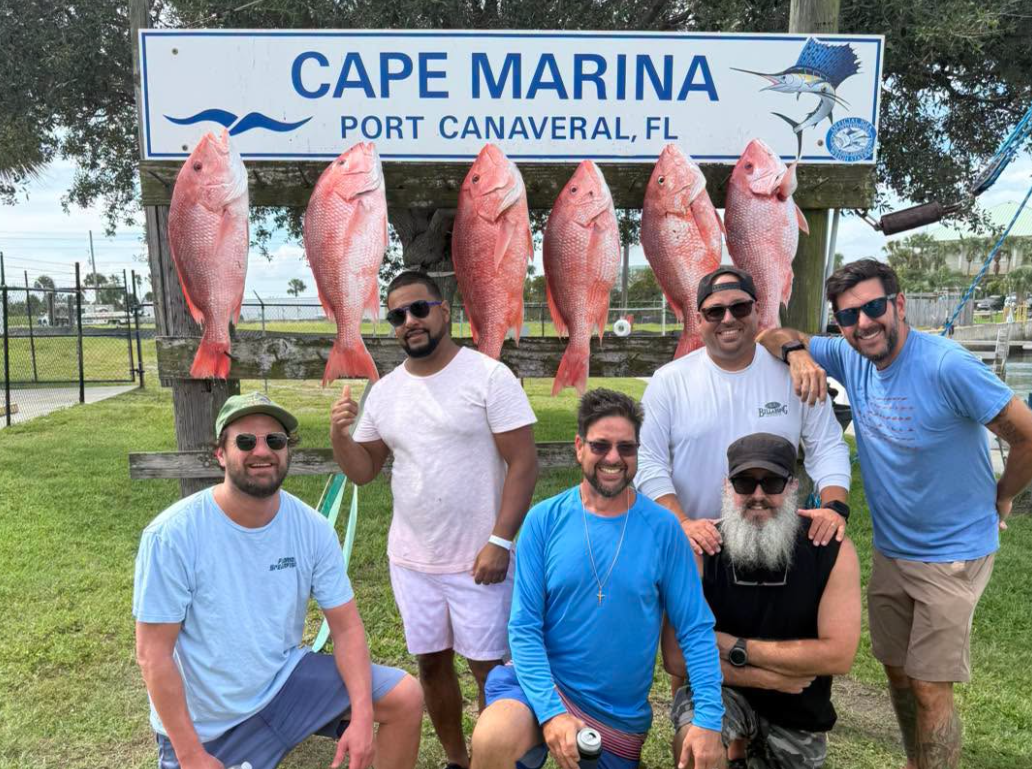
Our trips depart from Cape Marina in Port Canaveral, making them a practical option for guests staying in Cocoa Beach or visiting the Space Coast. Visitors traveling from Orlando should allow sufficient driving time and confirm the meeting arrangements before departure.
For a Thanksgiving visit, tell us how many people are coming, whether children will be aboard, and what kind of fishing interests the group. Those details are more useful than choosing a trip based only on the name of a target species.
The same considerations apply throughout the season: planning a fall fishing charter means balancing fishing goals, boat comfort, available time, and the marine forecast.
What to Bring on a November Fishing Charter
Dress for a cool boat ride as well as a warmer afternoon. Wind and spray can make the run feel colder than the temperature at the dock, while sunshine still calls for protection once fishing begins.
- Comfortable layers and a wind-resistant jacket: Bring clothing you can adjust as conditions change.
- Sun protection: Pack sunglasses, a hat, and sunscreen.
- Food and drinks: Bring what your group will need for the selected trip length.
- Secure personal items: Use a water-resistant bag for your phone, camera, and other essentials, and wear footwear with reliable traction.
We provide bait, tackle, fishing licenses, ice, and fish-cleaning services for legal harvested catches. Our fishing charter FAQs cover additional preparation details, including traveling with children and planning a first deep-sea fishing trip.
November Fishing FAQs
Is November a good month to fish Port Canaveral?
Yes. November offers opportunities for king mackerel, offshore trolling species, sharks, and a variety of reef fish. Weather windows play a major role, so the best trip combines realistic targets with suitable sea conditions.
What fish should I target in November?
King mackerel are a major fall target. Sailfish and wahoo are worth discussing for offshore trips, while sharks and mixed reef species provide other options. The final plan depends on bait, water conditions, trip length, and current regulations.
Is early morning always the best time to fish in November?
Not necessarily. An early departure can provide more fishing time, especially on a longer offshore trip, but November planning should also account for wind, swell, current, and the timing of passing fronts. The calmest or most productive window is not always determined by sunrise alone.
Can we keep red snapper or gag grouper in November 2026?
Do not plan on harvesting either species under the currently announced seasons. The fall Atlantic red snapper opening is October 9 through October 22, and the Atlantic gag grouper recreational season closed August 2. Any later changes must be confirmed through official regulations before harvest.
Is nearshore fishing better for children?
It can be a good fit because it involves less travel time, but the forecast and the children’s comfort still matter. Tell us their ages and experience when booking so we can discuss the most suitable trip.
Do guests need to buy a fishing license?
Fishing licenses are included on our charters, along with bait, tackle, and ice. Guests should bring their own food, drinks, clothing, and personal items.
Where do Canaveral Kings fishing trips depart?
Our trips depart from Cape Marina at 800 Scallop Drive in Port Canaveral, Florida. Confirm your departure time and meeting instructions before the trip.
Book a November Fishing Charter With Canaveral Kings
November offers several ways to enjoy Port Canaveral fishing, from kingfish around bait-rich reefs to offshore trolling and coastal shark trips. Choosing the right experience means matching your interests to the available time, the conditions, and the fishery that is accessible that day.
Whether you are planning a family outing, a Thanksgiving vacation activity, or a more focused offshore trip, tell us what you hope to experience. We can help you compare the options and prepare for a day on the water.
Plan your November fishing trip: Book your Port Canaveral fishing charter online, call 321-543-5109, or contact our team to discuss trip options, group size, and availability.